
Top 10 Best Kidney Detox Drinks Recommended by Doctors for Better Kidney Function
Your kidneys filter more than 200 litres of blood every day, and eliminate waste and excess fluids through urine. What you drink directly affects how well this process works. Staying well-hydrated helps with the removal of toxins, the prevention of kidney stones, and maintaining a balance of electrolytes. Certain beverages have added benefits in the form of antioxidants, citrate, or anti-inflammatory components. Choosing the right kidney detox drinks for better kidney function and avoiding harmful beverages is one of the simplest ways to maintain long-term kidney health.
What Are the Best Kidney Detox Drinks?
Kidney detox drinks include water, lemon water, green tea, coconut water, and barley water. These drinks help improve kidney function by increasing urine flow, reducing toxin buildup, and preventing kidney stones naturally.
What Does Kidney Function Mean?
They control the glomerular filtration rate (GFR), the rate at which blood is filtered which doctors use to determine how healthy a person’s kidneys are. Every minute of every day, nephrons within the kidneys filter toxins, balance sodium, potassium and phosphorus and regulate blood pressure by fluid control. Hydration is at the heart of all this: if we don’t drink enough water, filtration is slowed down and waste builds up and the kidneys are under stress. Electrolyte balance depends on proper hydration and overall kidney function throughout the day.
How Do Drinks Affect Kidney Function?
What you drink directly impacts how efficiently your kidneys function. Fluids keep the blood volume up and make sure that the kidneys get sufficient blood flow to filter out the waste effectively. Adequate hydration stimulates the production of urine, which washes away the sodium, uric acid, and byproducts of metabolism. With dehydration, these substances become more concentrated which can result in crystals and kidney stones. Certain drinks, high in sugar, sodium or artificial additives cause the kidney to work harder, gradually straining their work. On the other hand, kidney supportive drinks ease the inflammation, dilute harmful minerals and stimulate the steady production of urine without straining the organ.
10 Best Drinks for Kidney Function
1. Water – The Most Important Drink for Kidney Function
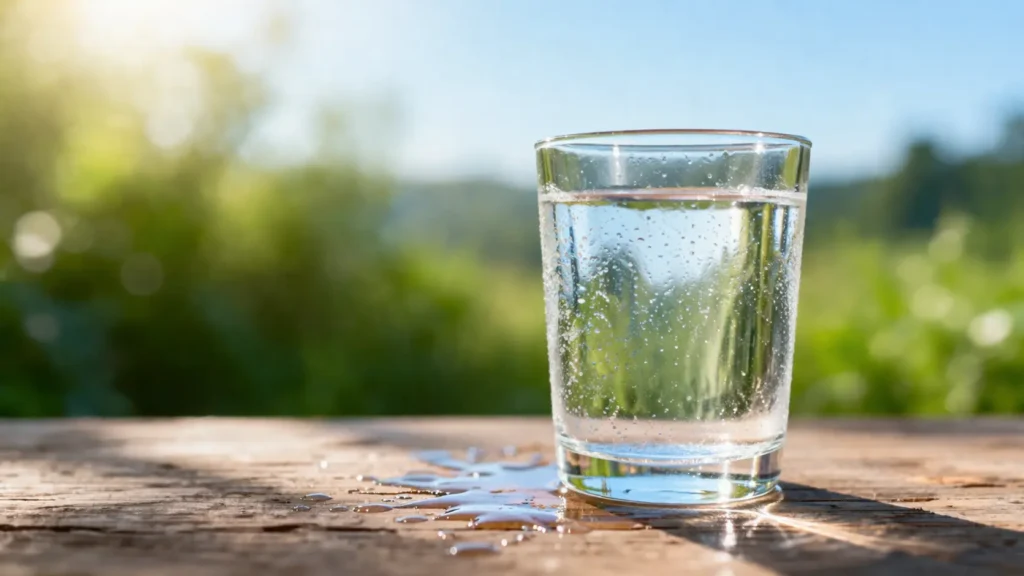
Water still cannot be replaced. It ensures the flow of urine and prevents the concentration of minerals and flushes the toxins without adding any metabolic burden. For most healthy adults this should be 2.5-3 litres per day, varying with climate and activity. The best to drink for the kidneys is plain water as this helps to flush out toxins, keep the urine flowing and prevents kidney stones. Important caution: CKD (chronic kidney disease) patients may need to be on a fluid restriction. Always check with your nephrologist before increasing fluid intake.
2. Lemon Water – Rich in Citrate for Kidney Stone Prevention
Lemon water contains natural citrate, a compound that binds to calcium in the urine and prevents the formation of crystals, the main process that leads to kidney stone formation. Research is consistent for citrate supplementation for recurrent stone formers. Squeezing half a lemon into a glass of water every day offers measurable levels of citrate in the water, making this one of the most evidence-backed dietary choices for kidney stone prevention.

3. Coconut Water – Natural Electrolyte Support
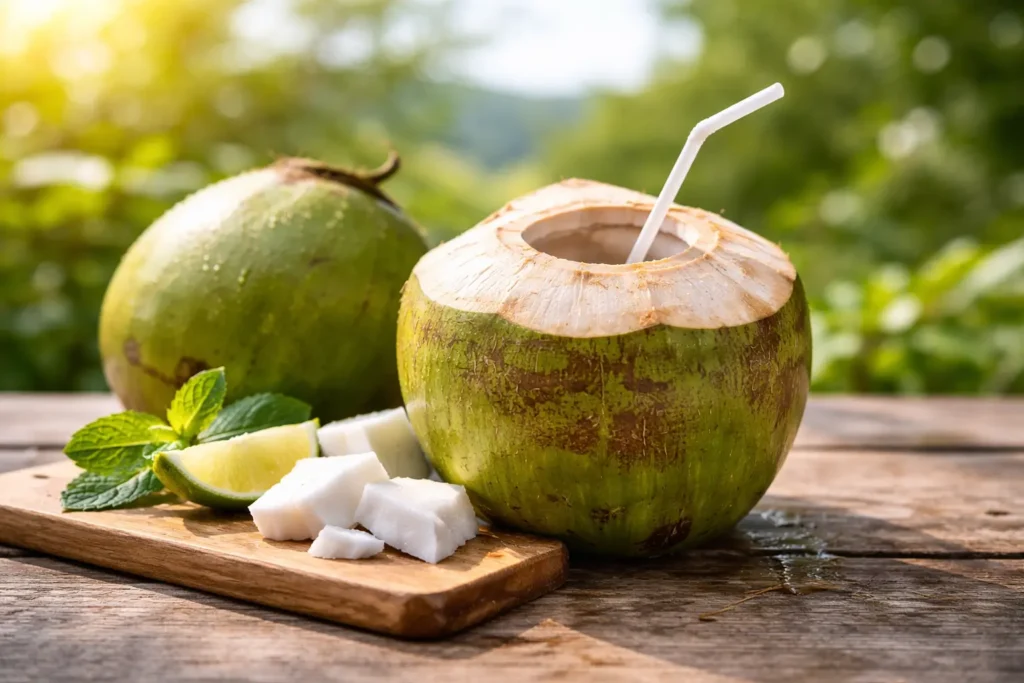
Coconut water helps to replenish the potassium, magnesium, and sodium that the body needs to regulate its electrolytes in the kidneys. However, it is high in potassium, so it is potentially very dangerous for patients with kidney damage (who cannot efficiently excrete excess potassium from their kidneys). Healthy people enjoy the occasional coconut water, especially in times of heat or physical exertion. Anyone with decreased kidney function must check with a doctor before drinking regularly.
4. Cranberry Juice – For Urinary Tract Health
Cranberry juice is commonly misinterpreted to be a kidney detox. Its real benefit is prevention of urinary tract infections (UTIs) by preventing bacteria from adhering to the bladder wall. It does not directly cleanse kidneys but by reducing recurring UTIs, which can travel upward and damage kidneys, it is an indirect support for kidney health. Choose unsweetened varieties to avoid sugar related strain.

5. Green Tea – Antioxidant and Anti-Inflammatory Support
Green tea contains catechins, which are potent antioxidants that alleviate oxidative stress in the kidney tissue. Studies suggest that moderate green tea consumption is associated with lower risk of progression of kidney disease. Its mild anti-inflammatory properties offer further protection to the nephrons from chronic damage. Two cups per day is a reasonable, evidence-supported level of intake for most healthy individuals.
6. Barley Water – Traditional Diuretic
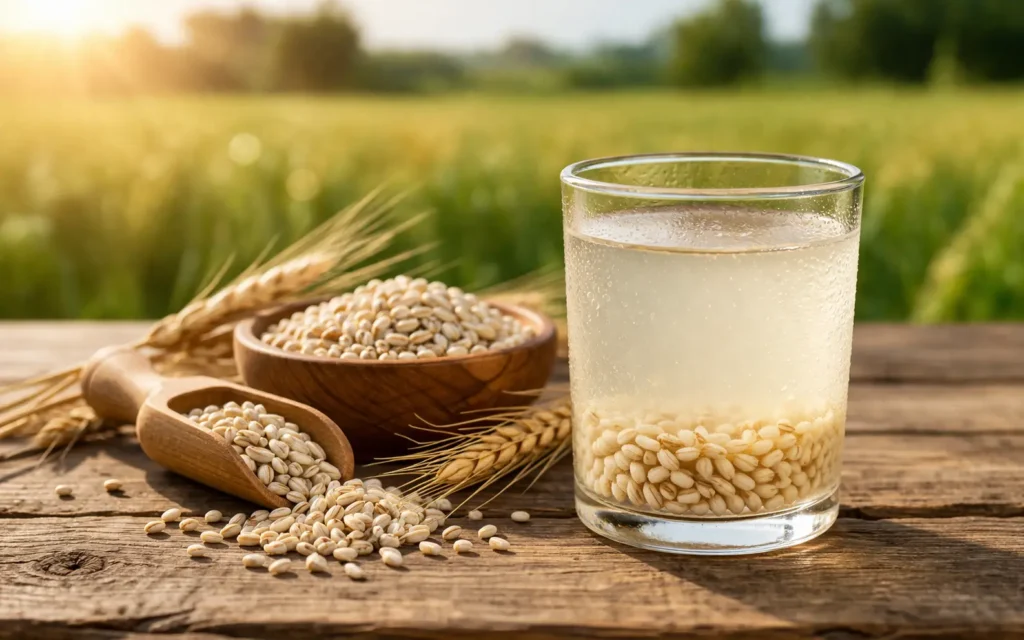
Barley water medicinal use in south Asia has been used for generations. It functions as a mild natural diuretic which increases the output of urine and aids the flushing of excess minerals. It also contains beta-glucan which helps maintain general metabolic health. For people who are prone to kidney stones, the frequent consumption of barley water may lower the concentration of minerals in the urine.
7. Pomegranate Juice – Antioxidant Protection
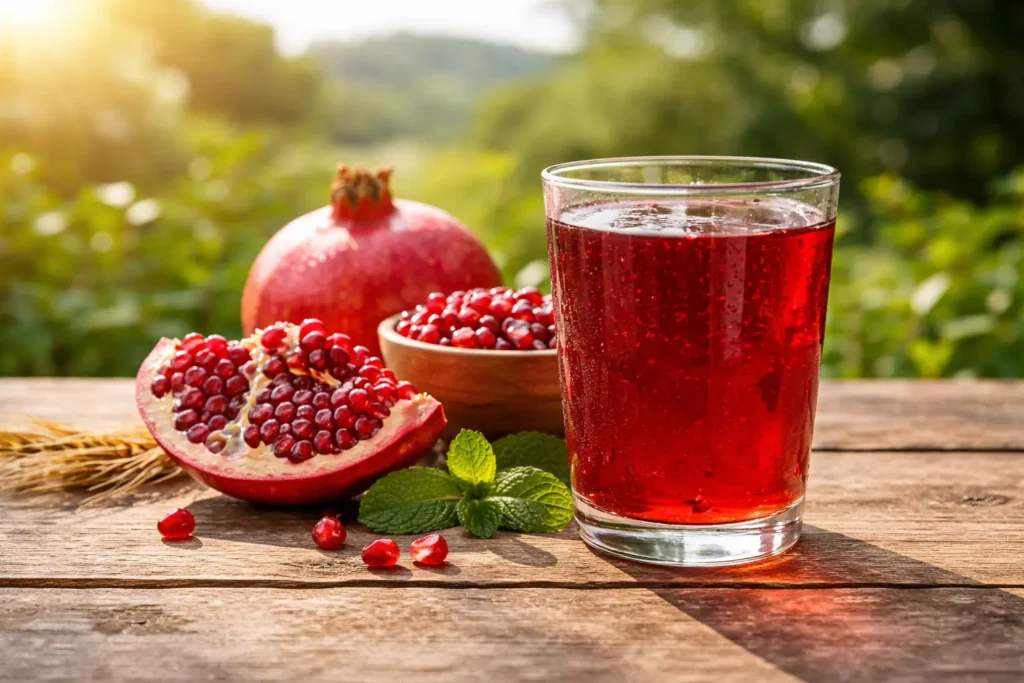
Pomegranate juice is high in the content of punicalagins and polyphenols that actively fight kidney oxidative damage. Research published in clinical nephrology journals has found that there are associations between pomegranate consumption and decreased inflammatory markers in patients with kidney disease. Its lower content of potassium in comparison to many fruits makes it also relatively safer, although CKD patients should still enjoy moderation.
8. Herbal Kidney-Safe Teas
Certain herbal teas, dandelion, nettle and hibiscus have traditional use for kidney support. But stay away from the exaggerated claims about detox. Dandelion tea is mildly diuretic; hibiscus has some reduction in blood pressure in studies. Many herbal teas contain compounds that actually can burden impaired kidneys. Always check herb safety with a professional before using on a regular basis, especially if you have any existing kidney issues.
9. Apple Cider Vinegar – Fact vs. Fiction
Apple cider vinegar is so popular on the internet as a kidney cleanser. The evidence does not support this statement. While its acetic acid content may have some alkalising effect on the urinary system, as well as reducing some risk of stone formation, overconsumption may cause enamel erosion, interfere with the balance of potassium in the body, and worsen the acid-base balance of CKD patients. Use sparingly and diluted, it is not a detox solution.

10. Vegetable Juices – Low Sodium Only
Fresh vegetable juices particularly carrot, cucumber, and bottle gourd offer antioxidants as well as hydration with relatively low amounts of potassium. The critical warning: packaged vegetable juices are often high in sodium which directly raises blood pressure and strains kidneys. CKD patients are forced to rely on low-potassium, homemade alternatives, for which they must check with their nephrologist.
What Is the Best Morning Drink for Kidneys?
The best morning drink for kidney health is warm lemon water. It helps hydrate the body after sleep and provides citrate, which can help prevent kidney stones. Other good options include barley water and plain warm water.
What Tea Is Good for Kidney Cleanse?
Green tea is one of the best teas for kidney health due to its antioxidant properties. Herbal teas like hibiscus and dandelion tea may also support hydration and mild detox. However, kidney patients should consult a doctor before regular use.
Best Juice for Kidney Detox
Cranberry juice, pomegranate juice, and fresh vegetable juices are beneficial kidney detox drinks. They provide antioxidants and hydration, but should be consumed without added sugar or sodium.
What Is the Fastest Way to Flush Your Kidneys?
The fastest way to support kidney function is proper hydration. Drinking enough water helps flush toxins and prevent mineral buildup. There is no instant detox drink. Your kidneys naturally cleanse your body when supported with the right fluids.
Drinks That Can Harm Kidney Function
Many drinks aggressively harm kidney health over time. Carbonated sodas contain phosphoric acid which throws off calcium balance and encourages stones. Energy drinks contain caffeine, sugar, and additives that cause increases in blood pressure and dehydration of the kidney tissue. Excess alcohol affects the kidney’s fluid and electrolyte balance. Packaged fruit juices contain concentrated sugar and preservatives. High-sodium beverages cause fluid retention and hypertension, a leading cause of kidney disease. Protein shake overuse causes the kidneys to be flooded with nitrogen byproducts which strain filtration in those with decreased GFR.
Can Detox Drinks Really Clean Your Kidneys?
No beverage “detoxes” your kidneys because healthy kidneys detox all the time. The kidney is the body’s own built-in filtration system, processing the waste that the body produces 24 hours a day without external assistance. No juice, tea or supplement replaces this biological function. What hydration does is to support the existing filtration as a result of maintaining an adequate flow of urine and a reduction in the concentration of harmful minerals. Claims of miracle kidney cleansing drinks are marketing speech, not medicine. Drinking water regularly is the best kidney support that exists.
Drinks for Kidney Stones vs. Drinks for CKD
These two conditions demand very different approaches to dieting. For prevention of kidney stones, fluid intake is crucial, that is, drinks high in citrate such as lemon water and sufficient amounts of plain water to dilute urine mineral concentration. For patients of kidney disease, however, the priority changes drastically; fluid restriction may be necessary, pomegranate and coconut water, as well as juices with a lot of potassium must be restricted, and phosphorus from the colas must be avoided altogether. Never assume advice for kidney stones applies equally to CKD always seek condition specific medical advice.
How Much Water Should You Drink for Healthy Kidneys?
A more practical starting point: multiply your body weight in kilograms by 30-35ml to calculate your daily water requirement. Under normal conditions an adult of 70 kgs requires about 2.1-2.5 litres per day. In high heat climates such as Rajasthan where the temperature is regularly exceeding 40degC in summer, the fluid requirement rises considerably, adding 500-750 ml minimum during peak heat summer months. Physical activity, dietary sodium and medical conditions all further adjust this baseline.
Signs Your Kidneys May Not Be Functioning Properly
A few early warning signs are persistent swelling of ankles and feet, foamy or frothy urine which indicates loss of proteins, dull pain in the lower back near the kidney region, unexplained fatigue and lack of concentration ability, and high blood pressure with no apparent cause. Any combination of these symptoms is reason for prompt medical evaluation, early stage kidney disease is manageable when caught before significant GFR deterioration.
When to See a Urologist for Kidney Problems
If you are having persistent back or flank pain, recurrent kidney stones, foamy urine, unexplained swelling, frequent UTIs or blood in urine, don’t wait for professional care. Early intervention makes a big difference. Dr. Sandeep Nunia, leading urologist in Jaipur with wide experience in kidney stone management, urinary disorder and complex urology condition, consults at Manav Hospital, Jaipur. With a patient-first methodology and cutting-edge diagnostic resources, the clinic provides comprehensive care for kidney function issues, stone disease, and CKD-related urological problems. Early evaluation can prevent irreversible kidney damage, book a consultation before irreversible.
About Dr. Sandeep Nunia
Dr. Sandeep Nunia is a highly experienced urologist, specializing in kidney stones, urinary disorders, and advanced urology treatments. With a patient-focused approach and years of clinical experience, he has successfully treated numerous kidney-related conditions.
Frequently Asked Questions
What is the best drink for kidney function?
Plain water is the best drink for the kidney. It dilutes the waste products, lubricates urine flow, and prevents mineral concentration which leads to kidney stones. Adults should aim for 2.5-3 litres per day, depending on climate, activity and any other existing medical conditions.
Can lemon water improve kidney health?
Yes, especially for prevention of kidney stones. Lemon water contains natural citrate which binds calcium in the urine and prevents the formation of crystals. It is not a cure but a scientific homeopathic dietary habit for stone prone people if taken regularly with sufficient amount.
Are detox drinks safe for kidneys?
Most commercial detox drinks have no clinical evidence and some contain herbal compounds that can damage the kidney tissue. Your kidneys are a natural detox organ and continually work. Supporting them with sufficient hydration is safer and more effective than any of the marketed cleanse products.
Which drinks should kidney patients avoid?
CKD patients should not drink sodas, energy drinks, packaged juices, high-sodium drinks, excessive alcohol and high potassium products such as coconut water unless approved by their nephrologist. Overuse of protein shakes should be avoided as well, without medical supervision.
How much water is too much for kidneys?
Consistently drinking more than 4 litres per day without medical requirement may dilute the sodium levels in the blood resulting in hyponatraemia. Excess fluids are more dangerous for patients with CKD. Healthy people do not often over-drink water, but people with fluid restriction must follow strictly prescribed limits.
Is coconut water safe for kidney patients?
For a healthy person, yes, in moderation. For CKD patients, the high levels of potassium in coconut water are a real danger because the kidneys cannot remove the excess potassium as efficiently as healthy kidneys, causing dangerous concentrations in the blood. Patients of CKD should always consult with their specialist doctor before consuming it.